
How to Measure SEO Success Effectively

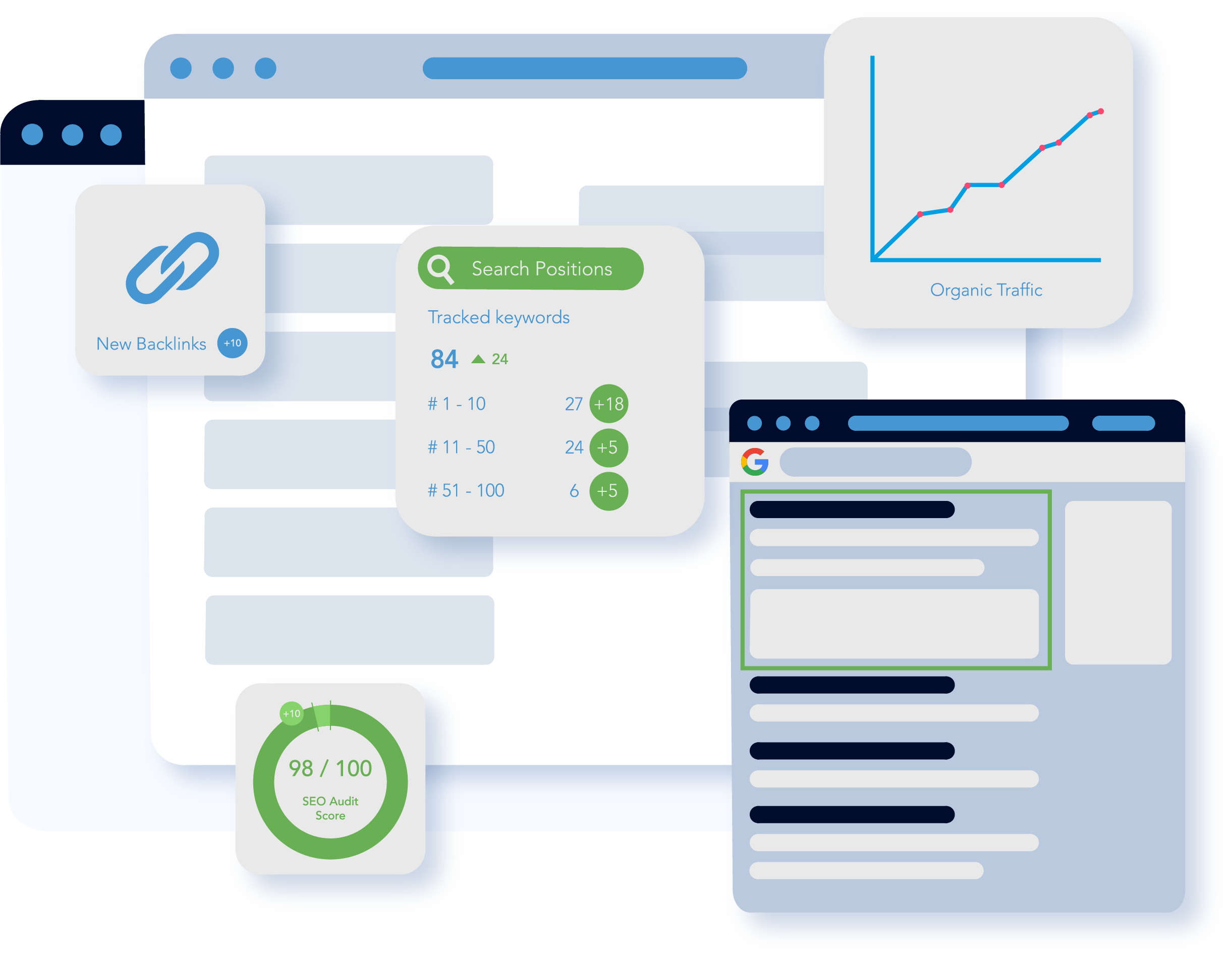
Effective measurement of SEO success is crucial for businesses aiming to enhance their online presence and achieve their digital objectives. By understanding and tracking the right metrics, businesses can ensure they are reaching their target audience, improving engagement, and driving conversions.
The importance of SEO extends beyond mere visibility; it involves attracting the right visitors who are more likely to engage and convert.
Understanding SEO Success
To truly comprehend SEO success, it’s essential to define what success entails in relation to your goals. Core SEO metrics include conversion rate, organic traffic, and improved keyword rankings. Each metric serves as an indicator of how well your SEO efforts attract the right audience and drive engagement.
For example, an increase in organic search traffic from search engines means more users are finding your web pages through relevant keywords. Improved keyword ranking positions in search engine results pages boost website visibility and signal successful SEO strategies. However, the most definitive SEO metric is conversion rate, which measures how many site visitors complete a desired action, such as filling out a form or making a purchase.
At Dandy, we prioritise transparent reporting by integrating Google Analytics and Google Search Console into all client projects. These SEO tools allow us to measure SEO success with reliable data and connect SEO performance directly to business outcomes. By offering clear insights, we ensure clients understand their SEO progress and the impact of our SEO campaigns on their website’s visibility and conversions.
Importance of Measuring SEO
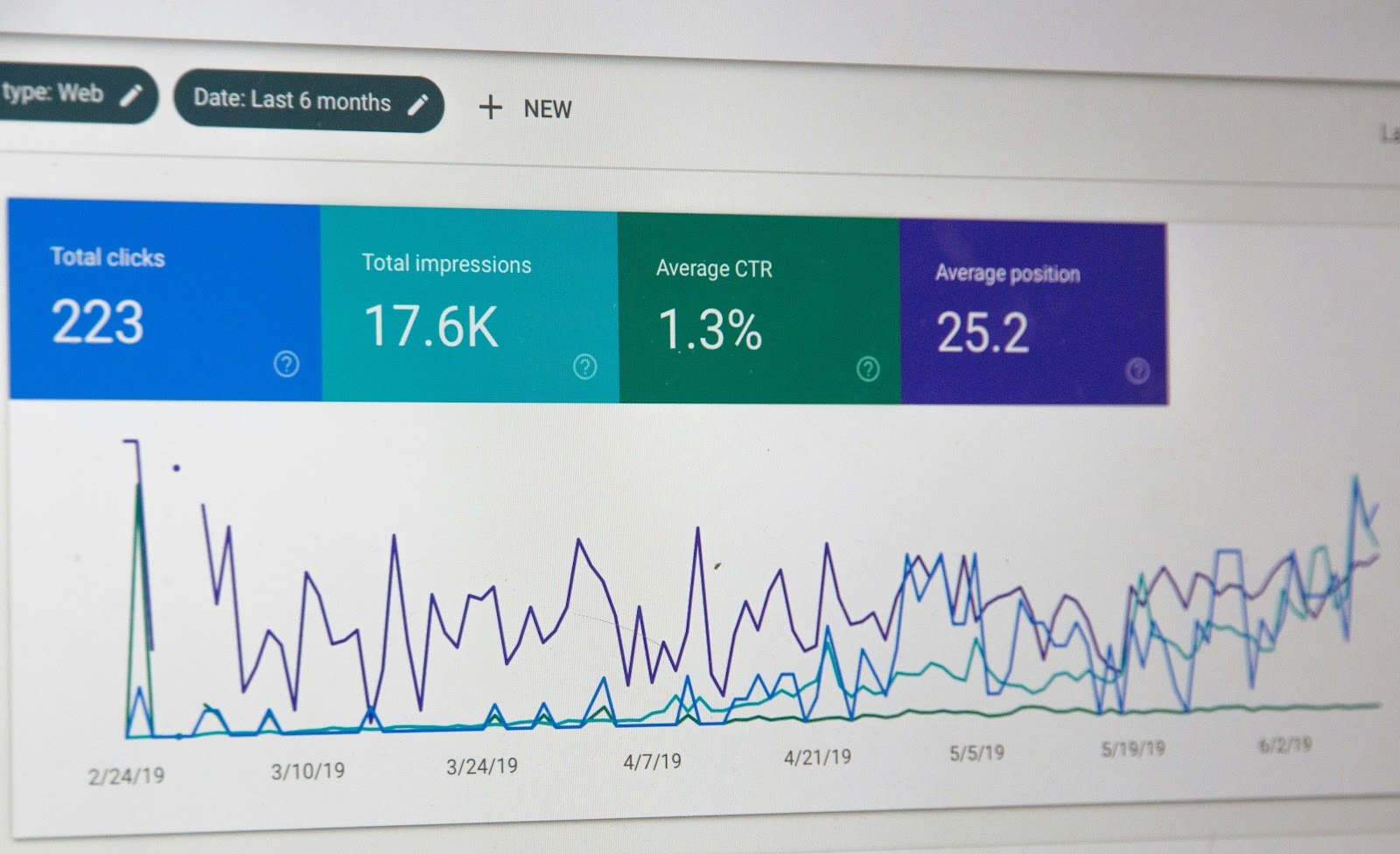
Tracking SEO success is crucial for refining strategies and adjusting to the constantly evolving search engine landscape. Search engines like Google frequently update their algorithms, which can affect keyword ranking positions and overall SEO effectiveness. Using platforms such as Google Search Console and Google Analytics, businesses can measure how much traffic comes from organic search and assess the effectiveness of their SEO efforts.
Regularly measuring SEO ensures that SEO strategies are optimally aligned with core business objectives. Dandy provides a free tool, our tailored SEO audit, that gives you an in-depth view of current SEO performance. This comprehensive audit examines critical engagement metrics, crawl errors detected in Google Search Console, and areas where technical site health needs improvement. By being proactive and adaptable, you can maintain your competitive edge in search engine results.
Grab a Free SEO Audit
Key SEO Metrics To Measure Success
Monitoring the right SEO metrics to track is central to measuring SEO effectiveness. Consider these essential metrics and their impact:
| Metric | Description | Impact on SEO Success |
| Organic Traffic | How much traffic comes from search engines | Indicates better visibility and successful SEO efforts |
| Keyword Rankings | Your site’s position for target keywords in search engine results pages | High rankings signal increased visibility and effective SEO strategies |
| Conversion Rate | Percentage of visitors who complete a desired action | Measures user engagement and site content relevance |
| Number of Leads | Count of unique prospects showing interest from organic search | Signals the effectiveness of SEO in attracting and engaging potential customers |
| Number of transactions / revenue | The number of transactions, and how much revenue is being generated. | For eCommerce business this is the bottom line where SEO needs to add value. |
| Bounce Rate | Percentage of visitors leaving after viewing one page | Indicates whether content meets search intent and keeps users engaged |
| Backlink Profile | Quality and total backlinks plus high quality backlinks from other websites or referring domains | Builds domain authority and trust for higher search engine rankings |
A high bounce rate may show that visitors are not finding relevant content or expected value, while a strong backlink profile can boost your website’s domain authority and improve search engine rankings. Evaluating these SEO metrics provides actionable insight into the overall health of your SEO strategy.
Tools for Measuring SEO
Leveraging the right SEO tools is essential for tracking progress and making data-driven decisions. Common and trusted tools include:
- Google Analytics: Tracks SEO traffic, user engagement, and conversion rates.
- Google Search Console: Monitors technical health, indexed pages, search queries, crawl errors, and how users interact with your site.
- SEMrush: Analyzes competitors, keyword ranking, and backlink profiles.
- Ahrefs: Excels at backlink analysis, keyword research and tracking, and referring domains overview.
- Moz: Assesses keyword rankings, performs site audits, and finds broken links.
At Dandy, we pull from the top tools to create transparent, easy-to-understand reports that highlight completed SEO tasks, showcase improvements in keyword ranking positions, and map out plans for further SEO progress. Tools like position tracking tools and analytics dashboards make it easy for clients to understand which metrics to track and how their SEO strategy is performing.
SEO Services
Analysing SEO Performance
Analysing SEO performance involves regularly reviewing trends and identifying areas for growth. Steps include:
- Reviewing organic traffic patterns and acquisition sources via Google Analytics.
- Tracking keyword ranking improvements across multiple pages in the search engine results page.
- Monitoring conversion rates and click through rate (CTR) to ensure landing pages, page titles and calls to action convert effectively.
- Using Google Search Console to check crawl errors, indexed pages, and relevant queries that lead to site visits.
- Examining internal links, technical site health, and broken links to maintain robust performance.
These engagement metrics inform adjustments to SEO strategies, enabling you to address underperforming areas and reinforce what works.
Improving User Experience for Better SEO
User experience directly influences SEO success and search engine rankings. Important considerations include:
- Core Web Vitals: Site speed, mobile usability, and technical health.
- Quality content and relevant keywords: Meeting search intent with value-driven site content and optimized meta descriptions and page titles.
- Site structure: Organised internal links, error-free navigation, and accessible multiple pages.
- Reduced bounce rates: Engaging, relevant and updated blog posts keeps users engaged and decreases bounce rate.
- Meta descriptions: Well-written meta descriptions and relevant content improve CTR from search engine results.
Optimising these areas means users interact positively with your site, stay longer, and are more likely to convert.
Summary and Key Takeaways
To measure SEO success effectively:
- Focus on organic traffic from search engines as a primary visibility metric.
- Regularly track conversion rate to ensure engagement and effective targeting with your SEO strategy.
- Strive for lower bounce rates, indicating that site content matches search intent.
- Monitor keyword ranking positions and maintain a strong backlink profile to enhance domain authority.
- Use tools like Google Analytics, Google Search Console, SEMrush, and Ahrefs for comprehensive tracking and reporting.
- Regularly audit technical health, fix crawl errors and broken links, and improve internal links for better website performance.
- Employ free tools and position tracking tools to benchmark and track SEO progress over time.
By focusing on these metrics and employing effective tools like Google Analytics and SEMrush, businesses can ensure their SEO strategies are both robust and adaptable. This comprehensive approach not only aligns with business objectives but also fosters sustained growth. Engaging with Dandy’s tailored SEO solutions, including our free audit, can further refine these strategies to ensure optimal performance.
Closing Thoughts
For small to medium enterprises aiming for real, measurable impact in organic search, partnering with an experienced team is key. Dandy’s bespoke, transparent SEO solutions are designed to maximise your SEO success using leading tools like Google Analytics and Google Search Console, while our free SEO audit highlights where your strategy can go further.
Take the next step with Dandy and unlock the growth potential of your website with personalised SEO services that put results and clarity first.
👉 Grab a free SEO audit today and get your site working smarter, not harder.
FAQs
How do search results impact my SEO strategy?
Search results determine where your website appears for relevant search queries on search engines. Achieving higher positions in search results increases visibility and can drive more organic traffic to your site. Optimising for target keywords and regularly reviewing your performance in search results helps refine your SEO strategy and improve your website’s reach.
What are user engagement metrics and why are they important in measuring SEO performance?
User engagement metrics, such as average time on page, bounce rate, and click-through rate (CTR), provide insights into how visitors interact with your web content. Monitoring these engagement metrics allows you to measure SEO performance by understanding if visitors find your site relevant and engaging, which is crucial for boosting conversions and maintaining strong rankings in search engine results.
How does search volume affect my choice of keywords and overall SEO approach?
Search volume reflects the number of times a keyword or phrase is searched for within a given timeframe. Prioritising keywords with adequate search volume ensures your site targets terms that people actually search for, increasing potential visibility and organic traffic. It’s important to balance keyword search volume with competition and relevance to maximise the effectiveness of your SEO campaign.

The Ultimate SEO Audit Checklist for 2026
February 12, 2026
Quick Wins To Improve Your Core Web Vitals
February 4, 2026
How To Start a Blog For Your Business
January 23, 2026